
HIGH BLOOD PRESSURE
The chamber creates a controlled environment with pressure higher than atmospheric.

WHAT IS HBOT?
HBOT, or hyperbaric oxygen therapy, involves staying in a special chamber where the pressure is higher than in the normal environment. In medical applications, the patient breathes oxygen according to a specific protocol.
An increase in pressure allows a greater amount of oxygen to dissolve directly into the blood plasma. As a result, oxygen can be transported to tissues not only by hemoglobin, but also in a dissolved form within the liquid part of the blood.
The chamber creates a controlled environment with pressure higher than atmospheric.
Higher pressure increases the amount of oxygen physically dissolved in the plasma.
Conditions are being created that allow for more intensive diffusion of oxygen from the blood into the tissues.


WHAT IS HAPPENING IN THE BODY?
During HBOT, increased pressure raises the amount of oxygen dissolved in the blood plasma. As a result, oxygen can reach tissues from the blood more easily.

Oxygen enters the body through the respiratory system under increased pressure.

A higher partial pressure of oxygen increases its availability in the blood.

More oxygen dissolves directly in the plasma, independently of the oxygen transported by hemoglobin.

A higher oxygen gradient facilitates the diffusion of oxygen from the blood into the tissues.
WHAT DOES THE SESSION LOOK LIKE?
The HBOT session takes place in stages. The pressure in the chamber is increased and decreased gradually, and the entire process takes place under controlled conditions.
01
Before the first session, the user learns about safety rules, how to use the chamber, and ear pressure equalization techniques.
02
Once the chamber is closed, the pressure gradually increases. You may feel a sensation in your ears similar to that experienced during takeoff or landing.
03
Once the target pressure is reached, the actual session begins. The user remains in the chamber and may rest quietly.
04
At the end of the session, the pressure is gradually reduced to atmospheric level.
05
After the pressure is equalized, the chamber is opened. Following the session, you can usually return to your normal daily activities.
WHERE IS HBOT USED?
Hyperbaric oxygen therapy is used in various fields — from recognized medical applications to sports, recovery, and the developing field of longevity. The scope of application and the level of evidence vary depending on the objective.
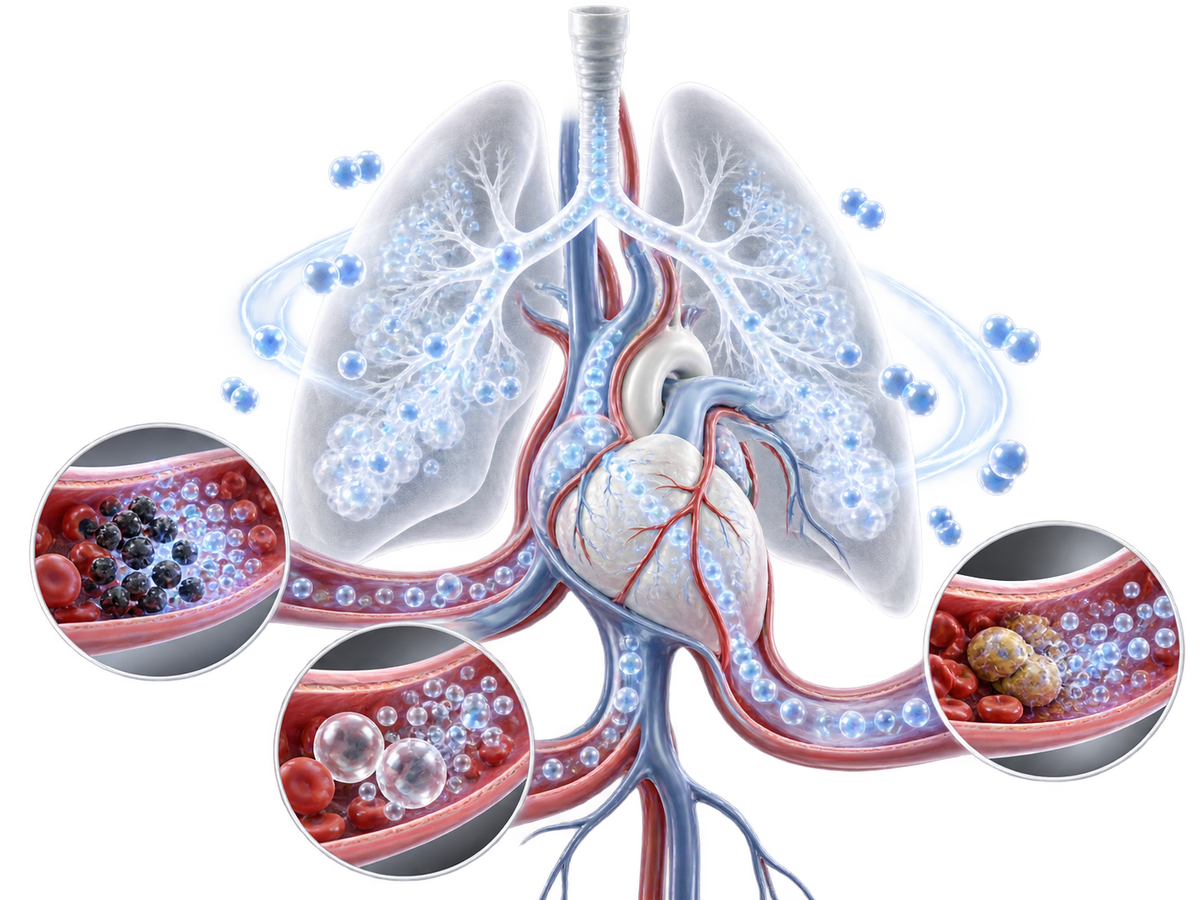
HBOT is used, among other things, in carbon monoxide poisoning, decompression sickness, and gas embolisms.
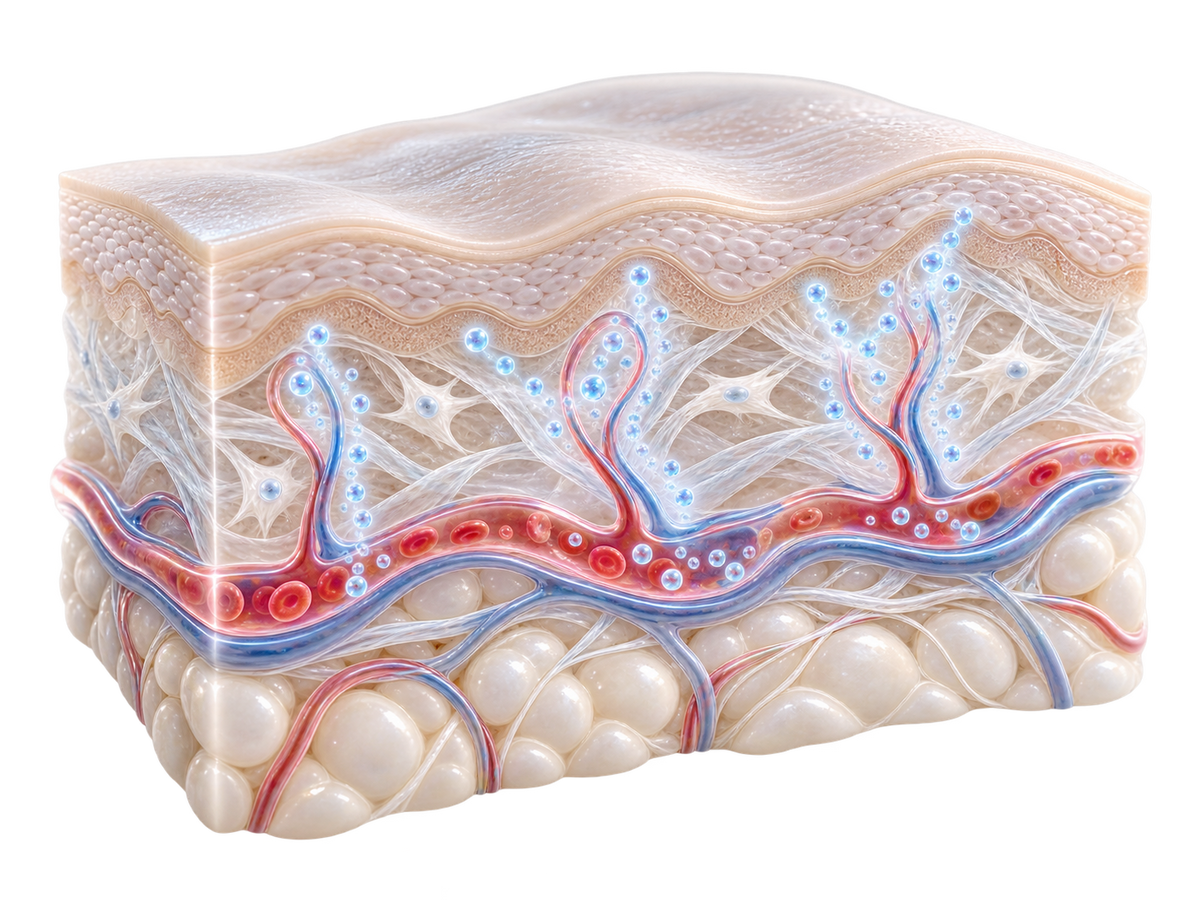
In medicine, HBOT is used for, among other things, selected hard-to-heal wounds and tissue damage.
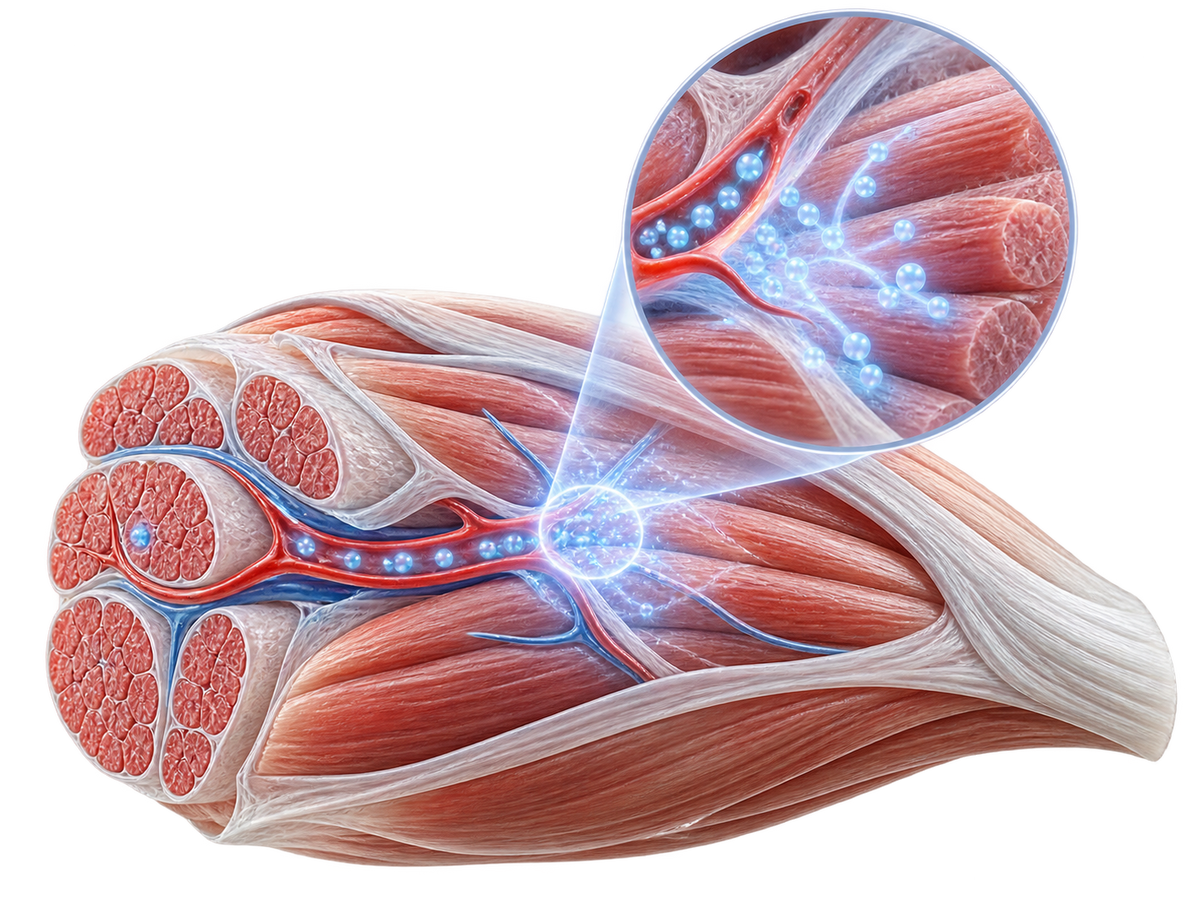
HBOT is used for specific injuries, ischemia, and certain severe infections.

HBOT is used and studied in the context of recovery after intense exercise and returning to activity.
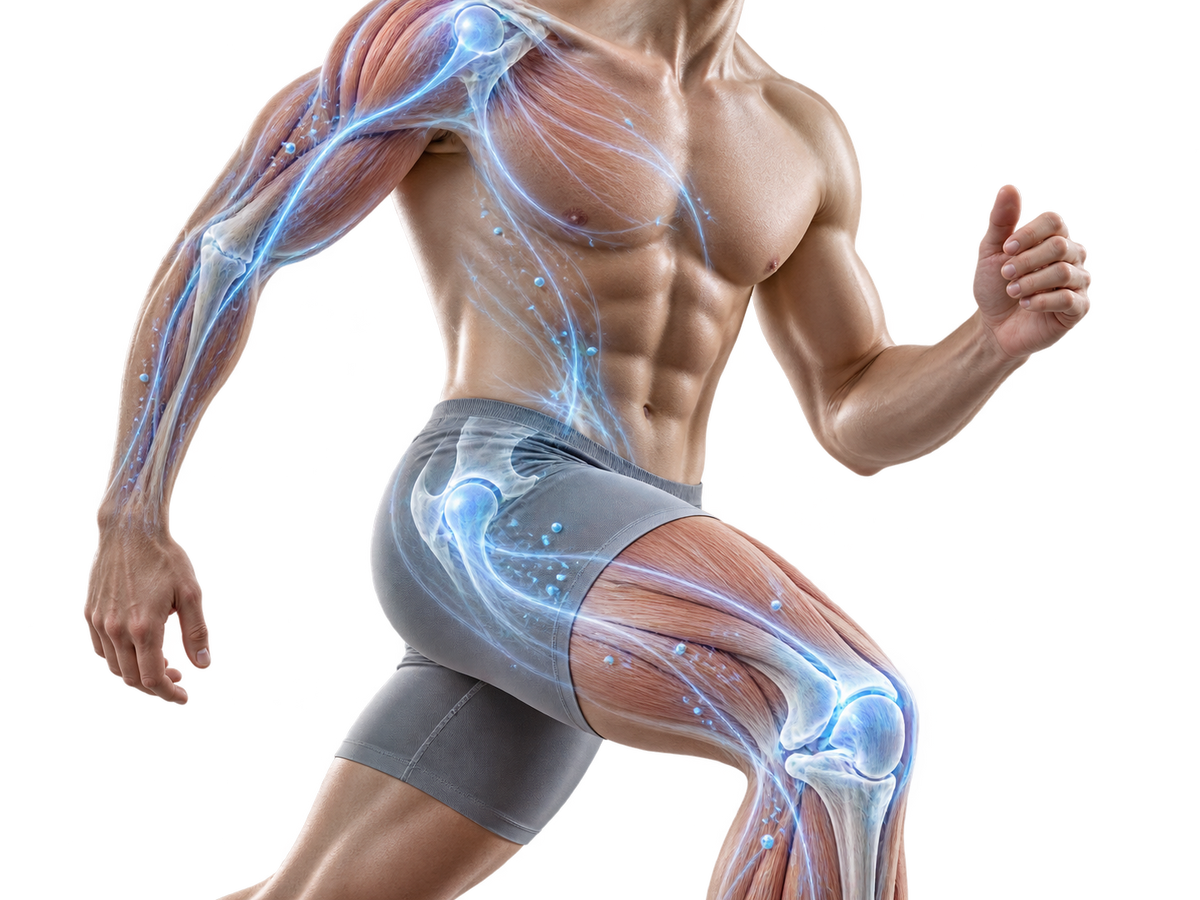
The technology is being studied as a complement to selected regenerative and rehabilitation processes.
HBOT is also used in the fields of longevity and wellbeing, where research into its broader application is ongoing.
SAFETY AND CONTRAINDICATIONS
Elevated pressure and increased oxygen exposure require adherence to specific safety rules. Before the first session, one must consider health status, potential contraindications, and the requirements of the specific device.

CONTRAINDICATION
Untreated pneumothorax is considered an absolute contraindication to hyperbaric oxygen therapy.

EXERCISE EXTREME CAUTION
Particular attention may be required for conditions such as certain lung diseases, infections or fever, ear and sinus problems, recent ear surgery, and other individual health factors.

POSSIBLE SENSATIONS AND RISKS
During HBOT, side effects may include a sensation of ear fullness, sinus discomfort, or claustrophobia. Other adverse reactions related to exposure to oxygen and increased pressure are reported less frequently.
BEFORE THE FIRST SESSION
Each user should undergo appropriate qualification in accordance with Nexeltron procedures and the device manufacturer's requirements. In case of any doubts regarding health status, the possibility of using HBOT should be consulted with an appropriate specialist.
The range of items, clothing, and equipment permitted inside the chamber is determined by safety procedures and the specific device manual.

HBOT AT NEXELTRON
At Nexeltron, the hyperbaric chamber is one element of a broader longevity and regeneration ecosystem.
HBOT can be used independently or combined with other Nexeltron technologies as part of a scheduled visit and an individually tailored regeneration path.
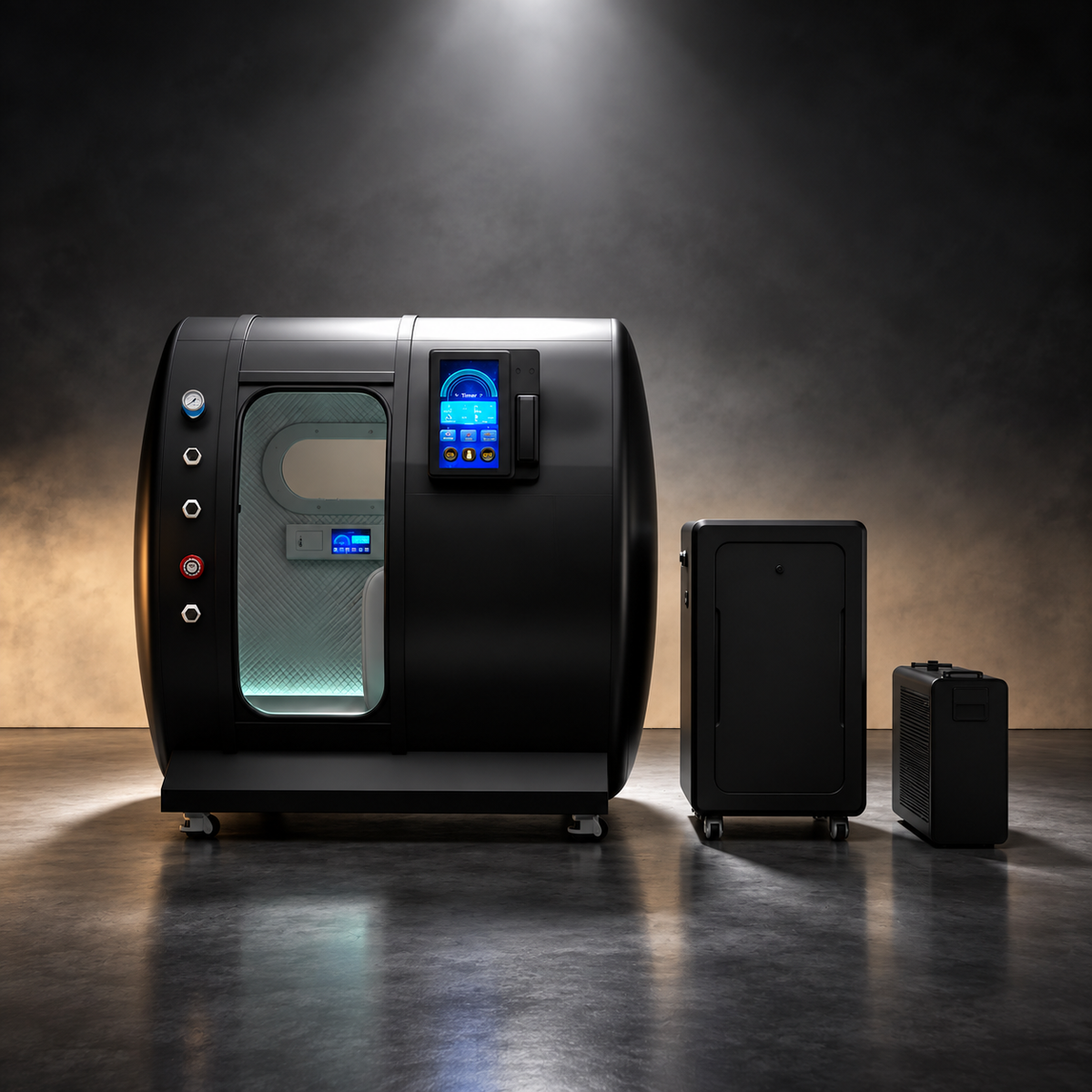
The session takes place in a rigid, spacious chamber, in which the user remains in a comfortable, seated position.
HBOT can be a separate session or part of a visit combining several regenerative technologies.
HBOT can be combined with, among others, red light therapy, pressotherapy, cryotherapy, and contrast therapy.
FAQ — HBOT
Key information regarding the session procedure, preparation, and use of the hyperbaric chamber.
HBOT at NEXELTRON